Old Money Style Quiet Luxury Done Right
Want to know the secrets of old money style, but don’t have a Rockefeller-level budget for clothes? We’ve got what you need, old sport. To create the best guide to dressing like the rich and famous, our team of fashion detectives has examined over 200 famous outfits, questioned fashion experts, and searched through old records.
From the Gilded Age to today’s Gen Z Revival, we’ve tracked changes in old-money style and created a simple guide based on centuries of noble knowledge.
Anyone can make a list of “preppy must-haves,” but we’ve gone beyond the basics to explain the thought behind the style and enlisted real experts to help you learn how to look effortlessly elegant.
What Is the Old Money Style?
The old-money style emphasizes quality over quantity and substance over showiness. It’s a turning away from what’s popular and short-lived and towards what’s classic and lasting.
Classic items like a perfectly cut suit, a crisp white shirt, and polished leather loafers are crafted from the finest materials and designed to last. These are the basics of an old money wardrobe.
But it’s not only about the clothes. People who live a certain way that values custom and privacy, and who feel confident because they know exactly who they are and what their role in life is, often dress in an old money style.
When old-money people don’t show off their money, it’s the opposite of the showy behavior of new-rich people who do.
How Old Money Style Became Timeless Luxury
The Birth of Old Money Style in the Early 20th Century
To find out where the old-money style came from, we need to go back to the early 1900s, when the children of America’s most prominent industrial families were growing up.
These families, like the Rockefellers, Vanderbilts, Astors, and Carnegies, had amassed immense wealth in industries such as steel and oil, railroads, and real estate.
These young guys always dress well. They grew up in a world where a man’s value was judged by more than just his money. It was also about how his suit fit and how shiny his shoes were.
Their dads and grandfathers taught them how to dress, and those men had learned from the British aristocracy they wanted to be like.
Elegance After the War and the Interwar Period
When the Roaring Twenties ended and the Great Depression and World War II began, the old-money style changed to suit the new times. The Jazz Age had many flashy excesses, but they were replaced by a more serious, restrained look.
Suits became simpler, and the colors were toned down. People had to give up a lot and be frugal during that time, which showed in the way they wore old-fashioned styles.
But as the boom years after the war began, the old-money style had something like a comeback. America was very rich and successful in the 1950s and early 1960s. The old East Coast elite led the way into a new era of gentlemanly polish.
The Golden Age of Old Money Style in the 1950s and 1960s
This was when the “Ivy League look” was popular. It was a preppy style that made me think of the rich and famous people on the East Coast and had a little bit of European flair. During this time, every guy who dressed well had a closet full of Brooks Brothers suits and a drawer full of handkerchiefs monogrammed with his initials.
JFK and Cary Grant were icons of old money style, making fashion choices that seemed sophisticated and charming without any effort. Their tailored suits and shiny loafers fit them perfectly, and they made looking good seem effortless, even though they worked hard behind the scenes to keep up the appearance.
Old Money Style Reimagined for the 21st Century
Today, the old-money style is back in fashion, but with a new twist. As new styles come and go quickly, more and more people are liking the lasting beauty of traditional men’s clothing.
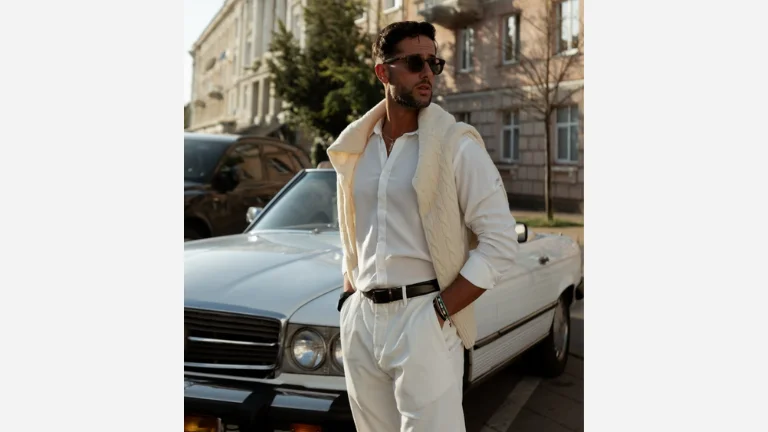
But the old money look today isn’t just a copy of the past. It’s been updated for the 21st century, reflecting how people feel and how they like to dress more casually. Consider wearing hybrid dress-sneakers with wool pants, or a sharply fitted jacket over a clean white tee.
Ralph Lauren and Tom Ford are two designers who have helped this change happen by creating lines that blend traditional craftsmanship with modern styles.
And as sustainability becomes more important, the old money idea of buying less but better is appealing to a new group of responsible shoppers.
Key Elements of Old Money Style for Men
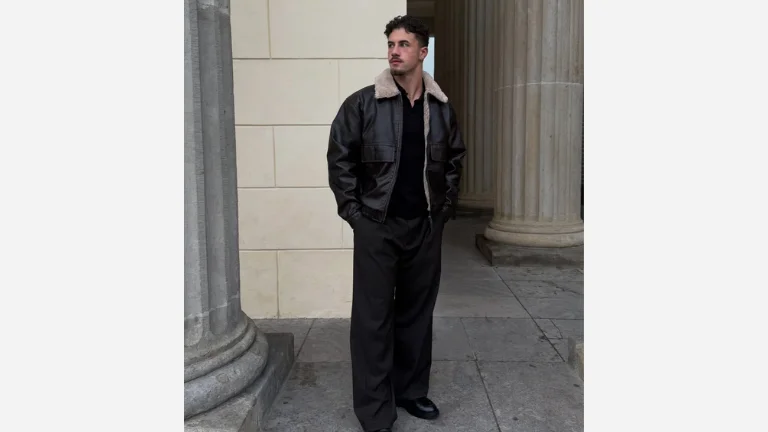
So, what are the basic pieces of a perfect old-money wardrobe? Let’s take it apart
Tailored Suits: A Symbol of Classic Elegance
A fitted suit is the basis of any old-money closet. This isn’t a ready-made polyester mix; this is custom-made, baby. An authentic old-money suit is beautifully crafted from the finest wool and tailored to fit perfectly.
Savile Row is the place to go for classic suits, but Neapolitan tailors like Kiton and Attolini are also well-known for their soft-shouldered, loose style. There are a lot of little things that make this special, like the hand-stitched buttonholes, the horn buttons, and the fact that the whole thing is made of cloth and will fit your body perfectly over time.
Oxford and Polo Shirts: Timeless Casual Elegance
The Oxford cloth button-down (OCBD) shirt is an old-money classic for more laid-back events. The OCBD was first made for polo players who needed a collar that wouldn’t move during matches. Now, it is an all-purpose clothing item that looks great with blazers or slacks.
Like tennis, polo has its roots in sports life. But, like many other things in old-money style, it has been taken over as a sign of the ease of the rich. Look for models in high-quality cotton piqué with a sharp, crisp collar and a trim fit that isn’t tight.
Leather Loafers and Brogues: A Legacy of Style
When it comes to shoes, the old-money style is all about buying quality over quantity. This is a clear example of the fashion style. If you take care of them, a good pair of leather shoes will last for decades and develop a rich patina that looks better over time.
Tasseled slip-ons and penny loafers are preppy favorites that go well with jeans and dressier pants, like suit trousers. If you want to look more dressed up, choose a traditional cap-toe Oxford or wingtip in a deep chestnut brown or oxblood.
Old Money Style Accessories A Touch of Elegance
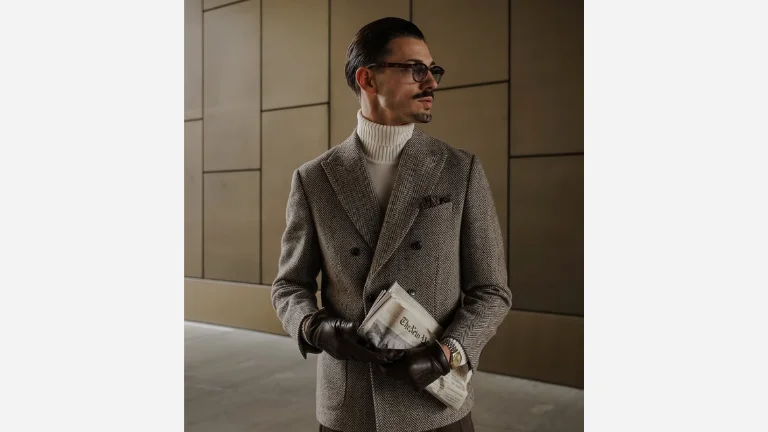
In old money style, accessories are like secret weapons; they’re the perfect finishing touch. A well-chosen watch, a silk handkerchief, and a pair of tortoiseshell sunglasses are the little details that show a man from a boy.
Classic Watches
When it comes to watches, old money prefers classic, simple styles over flashy, trendy ones. Rolex, Patek Philippe, and Jaeger-LeCoultre are always popular brands because they are well-made and have fascinating histories.
But it’s not only about the name on the watch. An authentic old-money watch is usually a keepsake passed down from father to son over the years. It connects you to the past, representing custom and continuity.
Elegant Tie and Cufflink Accessories
The old money style pays attention to the littlest things. Cufflinks with your initials, a simple tie bar, or a collar pin are the kind of modest signs of class that show who is really important.
Find items in classic metals like brass, gold, and silver that aren’t overly decorated. The goal is to look more polished without going overboard.
Leather Items: Wallets and Belts
Old money leather goods are like shoes in that they focus on quality and longevity. A good belt made of soft, high-quality leather is a must-have, as well as a stylish card case or wallet.
Please don’t wear anything too popular or with too many designs; simple is beautiful. A simple leather wallet with a subtle personalized logo is the height of old money style.
Scarves, Hats, and Glasses
Sprezzatura, the Italian art of looking effortlessly stylish, is one of the finishing touches of an old-money outfit. A silk scarf with the right knot, a Panama hat worn in a silly way, and a pair of sunglasses that look like they’re from the past are the kinds of small but noticeable details that take an outfit from good to great.
Old Money Accessories The Essence of Elegance
When it comes down to it, old money items are not only about looking good. They show a particular way of looking at the world and a set of values that put quality, craftsmanship, and classic grace ahead of showy spending and trends that don’t last.
It’s a way of thinking that supports the idea, “I don’t need to shout to be heard.” It’s a calm self-assuredness that arises from understanding your identity and beliefs. And in a world that can seem like it’s losing control, that level of unchanging reliability is very comforting.
Old Money Hairstyles and Grooming Trends
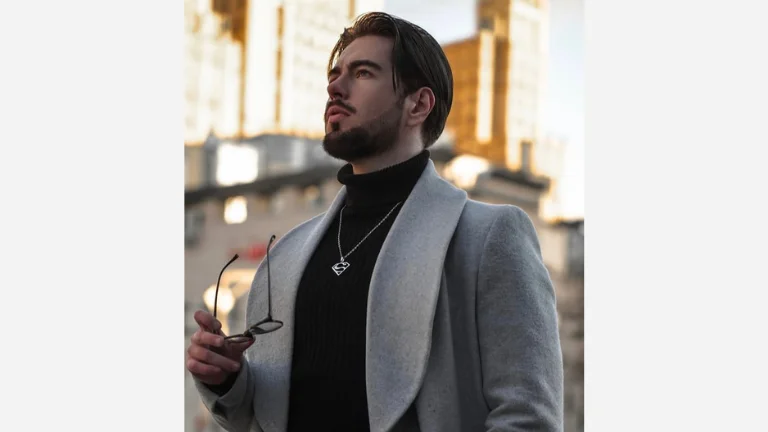
Of course, you can’t talk about old money style without mentioning the finer points of grooming. All of that indeed goes to waste if your hair is messy and your breath smells bad, even if you’re wearing the best suit and shiniest shoes.
Classic Old Money Hairstyles for Men
“Classic” is the keyword for old money hair. Don’t go with what’s popular; instead, go with what’s classic. A well-kept side part, a clean-cut hairstyle, or slicking your hair back will make you look classy, just like in Mad Men.
How it’s done is the most crucial part. You should look like you put no effort into your hair and woke up looking that good (even though you didn’t). Using just a little bit of pomade gives you shine and hold without making your hair look stiff.
Classic Old Money Facial Hair
When it comes to facial hair, the old money crowd usually prefers no facial hair at all. It’s clean, crisp, and the very picture of a refined gentleman. If you like facial hair, a mustache or beard can be fine as long as you keep it neat and don’t let it grow like a logger’s.
No matter whether you shave or not, the most important thing is to keep your face clean and moist. An easy but effective way to take care of your skin is to clean, moisturize, and protect it. This will help you get that old money glow.
Legendary Old Money Style Icons

There are important people in every community, and the old money style is one of them. These men represent the essence of gentlemanly refinement. Their effortless elegance has inspired generations of well-dressed men.
John F Kennedy: An Icon of Old Money Style
The Perfect American JFK was the height of old money style. He was the son of one of America’s most famous political families, and his clothes showed it. The sharp, well-fitting suits, crisp white shirts, preppy polo shirts, and chinos that made him famous inspired a whole group of people who wanted to get into the Ivy League.
But it wasn’t just the clothes. JFK had the kind of charm that made people like him right away, and he always looked cool, like he was part of a wealthy family. He looked like he belonged in the halls of power, and he had a young, relatable energy that won over the hearts of a country.
Prince William: An Icon of Old Money Style
Prince William is bringing a new generation of old money style across the pond. He has big shoes to fill as the future King of England, but his perfect style makes him do it with confidence.
William’s closet is an excellent example of how to dress like a modern prince. He likes classic, well-fitted clothing in muted colors and fancy fabrics, with just enough personal style to make things interesting.
And just like his mother, Princess Diana, he isn’t afraid to mix high and low. He pairs tough boots with a custom suit or a casual sweater with a formal outfit.
Alexandre Arnault Icon of Modern Old Money Style
Lastly, there is Alexandre Arnault, the young LVMH heir and a quickly rising star in the high-fashionhigh-fashion world. Arnault is only 30, but he’s already turning heads with his easygoing fashion sense and creative branding strategies.
The way Arnault dresses combines the classic style of the rich with a current twist. He likes classic, well-fitted clothing made from fancy fabrics, but he isn’t afraid to add surprise details or bold items to shake things up.
And as Tiffany & Co.’s face, he’s trying to change what it means to be a high-end brand in the 21st century, all while looking great.
Old Money Outfits for Men How to Wear the Aesthetic
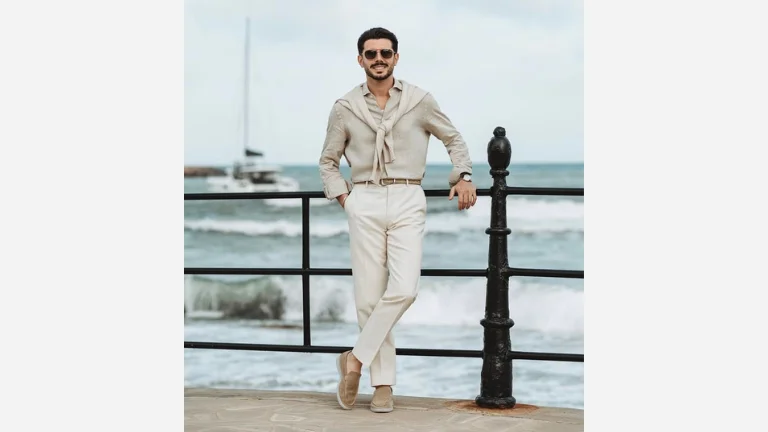
Now that you have a suit that fits you perfectly, fancy leather shoes, and your grandpa’s old Rolex, what are you going to do? How do you make it all come together so it looks both classic and trendy?
The mix has the key. In the old-money style, you wear classic pieces in a more modern way, which could mean pairing them with more casual items or adding a pop of color or pattern you wouldn’t normally expect.
For an old-money look that is sure to work, start with a perfectly cut blue blazer and pair it with crisp khakis or gray flannel pants. Add a white OCBD shirt and some tasseled shoes. Finish the look with a silk pocket square in a muted color. This is the style of the old rich: it looks like you tried hard to look casual and well-dressed at the same time.
Or, if you want a more relaxed look, wear dark jeans with a chunky jacket and sleek leather Chelsea boots. A cashmere blanket and a camel-colored wool coat will make you look cozy and classy at the same time.
The great thing about the old money look is that it can be used in so many different ways. Once you know the basics, like fit, quality, and attention to detail, you can build your own look by putting together various pieces.
Faqs
Final Verdict
Old Money Style is more than clothes, it’s a mindset. It’s about quality, refinement, and understated elegance. The essence lies in classic tailored pieces, attention to detail, and timeless grooming. Whether you’re dressing for work, events, or casual settings, this style offers versatility, longevity, and sophistication.
With the right fit, polished accessories, and subtle modern touches, any man can channel the elegance of iconic figures like JFK or Prince William. In a world of fleeting trends, Old-Money Style remains timeless, classy, and effortlessly refined, proving that true luxury is quiet, not loud.